Built by a Hunter. For Hunters.
At Thermal Game Recovery, we believe the responsibility of a hunter doesn't end when the shot is taken. Every ethical hunter understands the importance of making every reasonable effort to recover the game we pursue.
As a hunter myself, I know the frustration of losing a blood trail, searching through thick woods, and watching daylight disappear without finding the animal.
That's why I started Thermal Game Recovery.
Founded in Upstate South Carolina, our mission is to give fellow hunters another resource when traditional tracking methods fall short.
By combining thermal drone technology with firsthand hunting experience, we aim to help hunters locate wounded or downed game while treating every property, animal, and recovery situation with professionalism and respect.
Thomas Barksdale
Founder, Thermal Game Recovery
Frequently Asked Questions
-
We use drones equipped with advanced thermal imaging technology to locate wounded or deceased game animals. Thermal cameras detect differences in heat signatures, allowing us to identify animals that may be difficult to see from the ground, particularly in dense vegetation or low-light conditions. Once a potential location is identified, we work with the hunter to determine the appropriate next steps for recovery.
-
We recommend contacting us as soon as you believe you may need assistance recovering an animal. Early communication allows us to evaluate your situation, discuss the circumstances of the shot, and determine the best approach. Even if you are unsure whether you need our services, we encourage you to reach out before extensively searching the area and potentially disturbing the animal.
-
Yes, thermal drone technology may still be useful several hours after an animal has been shot, depending on environmental conditions, the animal's condition, and the surrounding terrain. However, thermal signatures change over time, and recovery becomes more challenging as the animal cools. Contact us as soon as possible so we can evaluate your specific situation.
-
Thermal cameras detect heat rather than visible light, making them particularly useful in darkness and certain low-visibility conditions. However, thermal cameras cannot see directly through solid objects, tree trunks, or dense vegetation. Heavy canopy cover and thick brush can obstruct heat signatures. Our approach involves evaluating the terrain and using available viewing angles to maximize the likelihood of locating your animal.
-
The use of drones in connection with hunting and game recovery is subject to applicable state wildlife regulations, federal aviation rules, and property access requirements. We evaluate recovery requests in accordance with applicable laws and regulations. Our services are intended for lawful recovery activities, not for locating or pursuing live animals for hunting purposes.
-
Pricing depends on factors such as travel distance, location, accessibility, and the circumstances of the recovery. We will discuss the details of your situation and provide pricing information before scheduling a search. Our goal is to offer a professional, transparent service without unexpected charges.
-
Although thermal imaging technology can be a valuable recovery tool, no search method can guarantee success. Terrain, vegetation, weather, elapsed time, and animal movement can all affect the outcome. We approach each search carefully and communicate our findings so you can make informed decisions about any additional recovery efforts.
-
We prefer to coordinate directly with the hunter or an authorized property representative. Your knowledge of the shot location, the animal's direction of travel, and the surrounding property can be extremely valuable. We will discuss the specific arrangements and any access requirements before arriving.
Need Help Finding Your Deer?
Every recovery situation is different. Give us a call to discuss your situation and see how we can help.
Our Mission
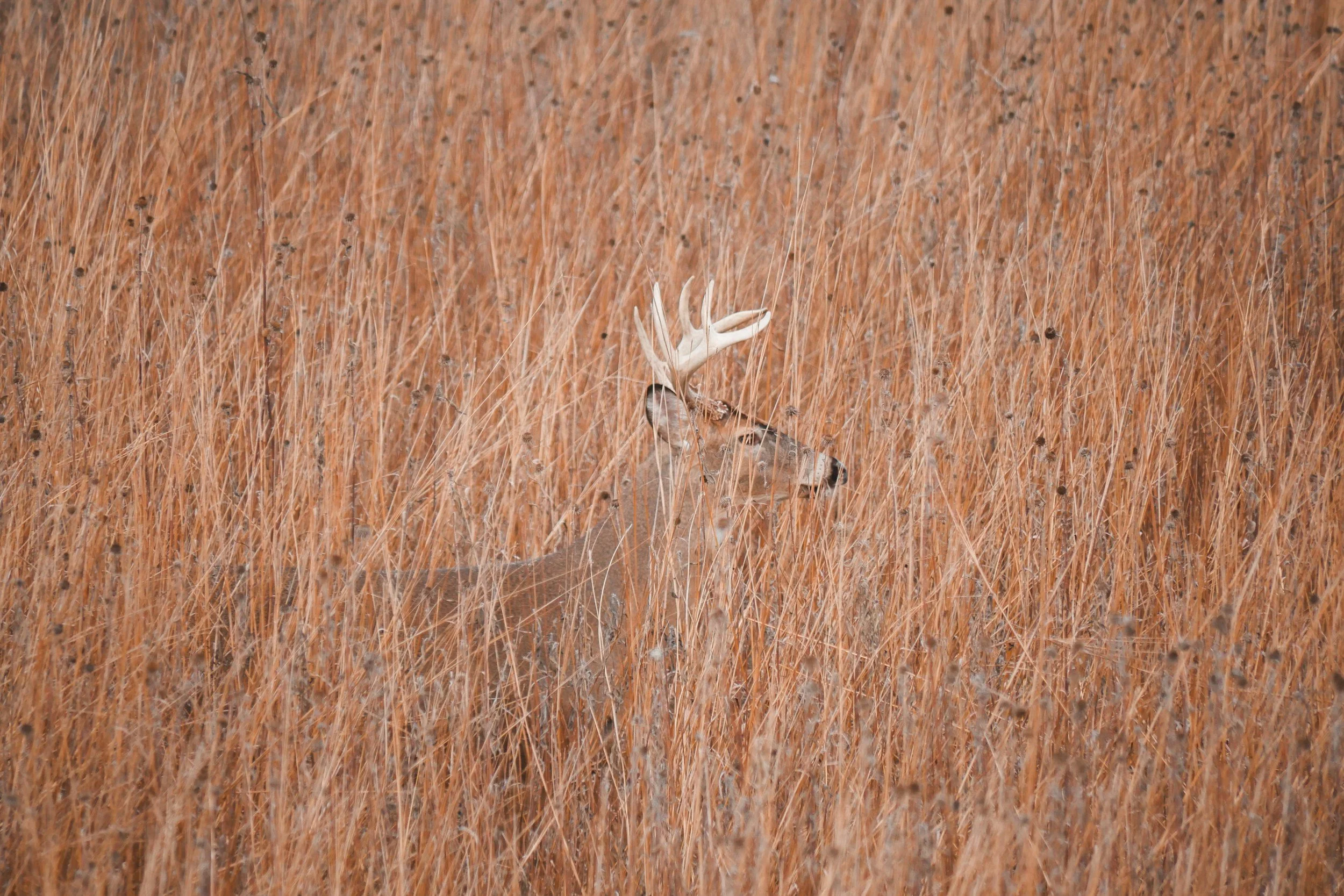
To provide hunters and landowners across Upstate South Carolina with dependable aerial thermal services that promote responsible game recovery, informed land management, and respect for wildlife.